News | company news | May 14,2025
Charging pile Type B leakage current sensor
The Type B leakage current sensor in the charging pile is mainly used to detect leakage current in the AC system. In electric vehicle charging stations or charging piles, this sensor is one of the important components to ensure safe charging.
The characteristic of Type B leakage current sensor is that it can detect all types of current leakage, including sinusoidal, non-sinusoidal and DC current components . This is very important for charging electric vehicles, because the power system of electric vehicles may contain DC and AC components, and in some cases, non-sinusoidal wave forms may appear.
In charging piles, Type B leakage current sensors usually work together with residual current devices (RCD). Once abnormal current leakage is detected, the RCD will cut off the power supply to prevent electric shock accidents.
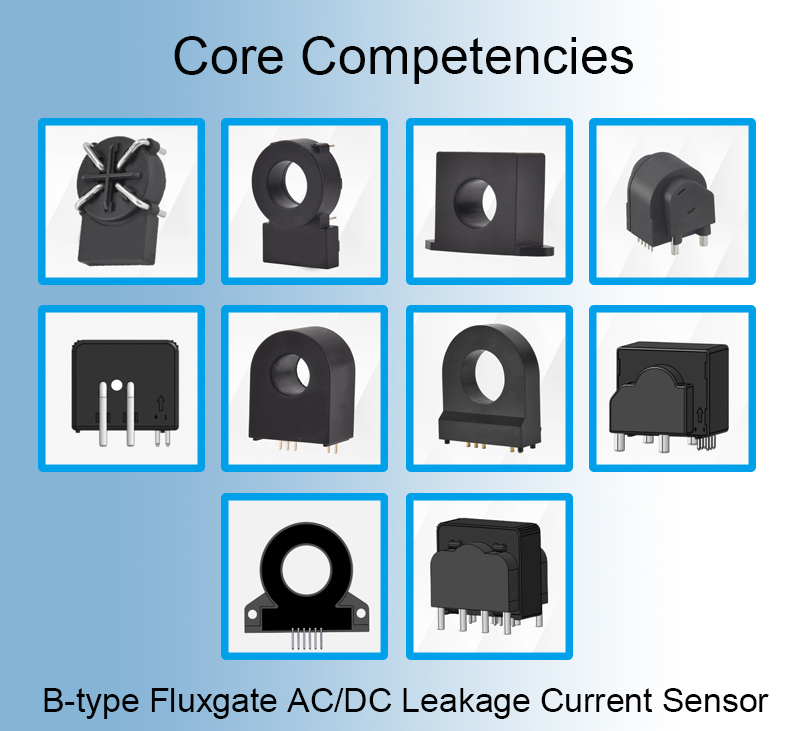
Type B leakage current sensor in charging pile has the following advantages:
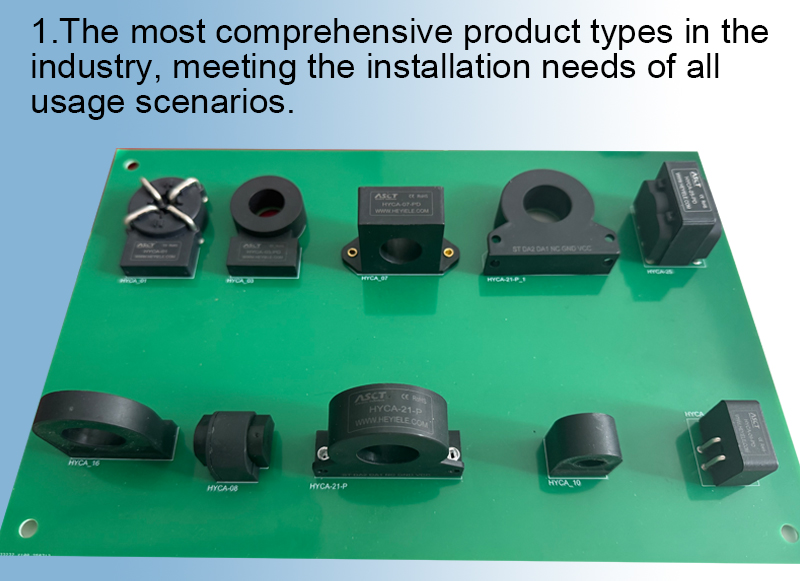
Type B leakage current sensor mainly include the following points:
Type B leakage current sensor include:
Input range: This parameter defines the current range that the sensor can accept. For example, some Type B leakage current sensors may have an input range of 0~500mA, such as 0~10mA, or 0~20mA.
1.Accuracy Class: This refers to how accurate the sensor is, usually expressed as a percentage. For example, some Type B leakage current sensors may have an accuracy class of ≤1.0%.FS.
2.Linearity: This refers to the linear relationship between the sensor reading and the actual current value. A good linearity means that the error between the reading and the actual current value is small. For example, some Type B leakage current sensors may have a linearity better than 0.2%.
3.Response time: This refers to the time interval from when the sensor receives the current signal to when it generates the output signal. For example, the response time of some Type B leakage current sensors may be ≤200ms.
4.Offset voltage: This refers to the value of the output voltage deviating from zero when the input terminal is open circuit under normal operating conditions. For example, the offset voltage of some Type B leakage current sensors may be ≤20mV.
5.Temperature characteristics: This refers to the relationship between the change in sensor output and the change in temperature. The temperature characteristics of some Type B leakage current sensors may be ≤150PPM/℃ (0~50℃).
6.Overall power consumption: This refers to the power consumed by the sensor under normal operating conditions. For example, some Type B leakage current sensors may have an overall power consumption of ≤30mA.
7.Isolation withstand voltage: This refers to the isolation voltage withstand capability between the sensor input, output and housing. For example, the isolation withstand voltage of some Type B leakage current sensors may be AC2.0KV/min*1mA between input/output/housing.
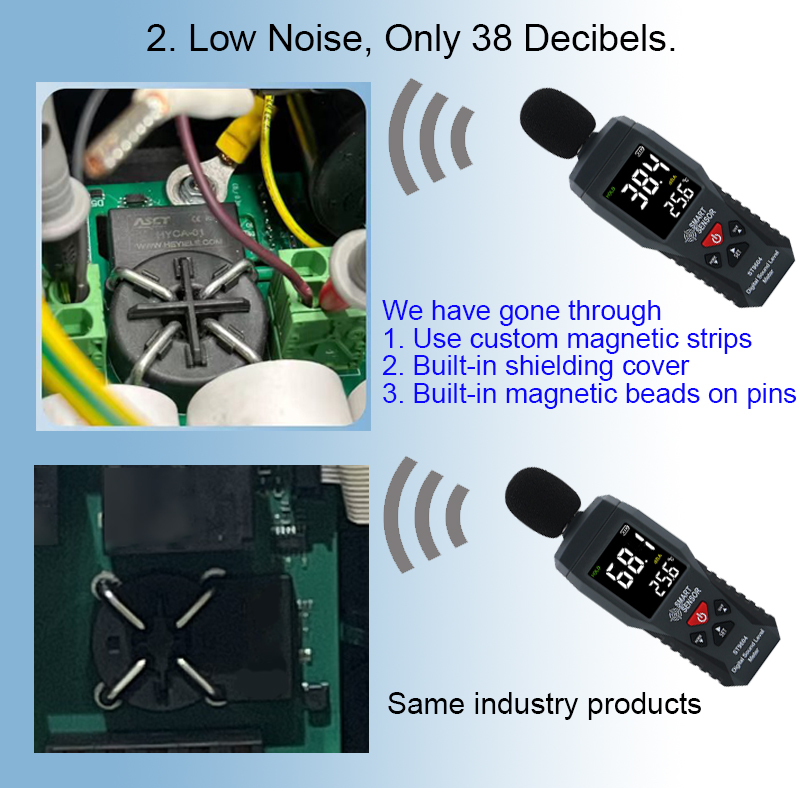
These are some common performance indicators of Type B leakage current sensors. The specific values may vary depending on the product type and usage scenario. When selecting a sensor, you need to consider these indicators based on the actual application requirements.
--- END ---

COPYRIGHT © HEYI ELECTRICS SOLUTION


